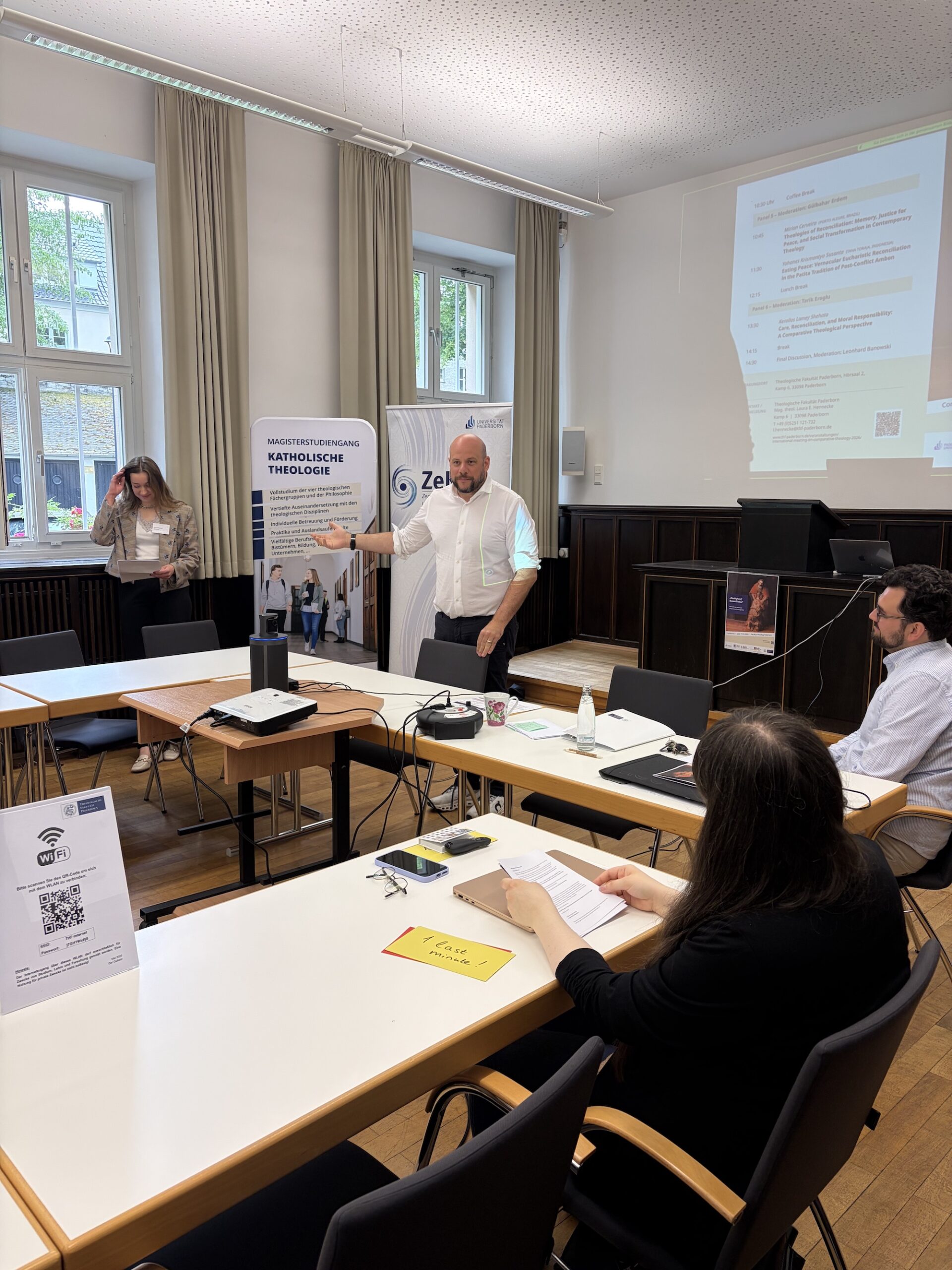
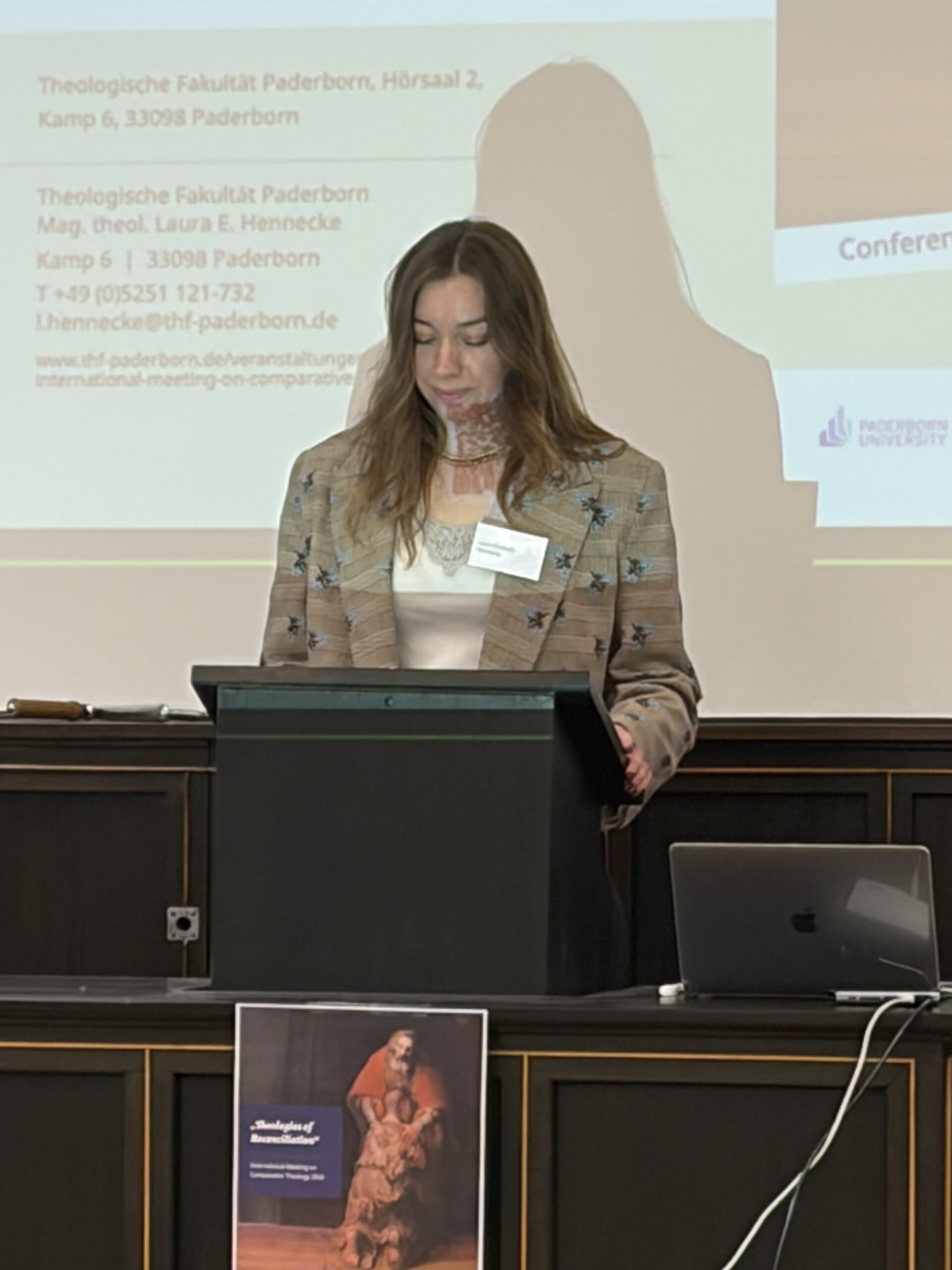
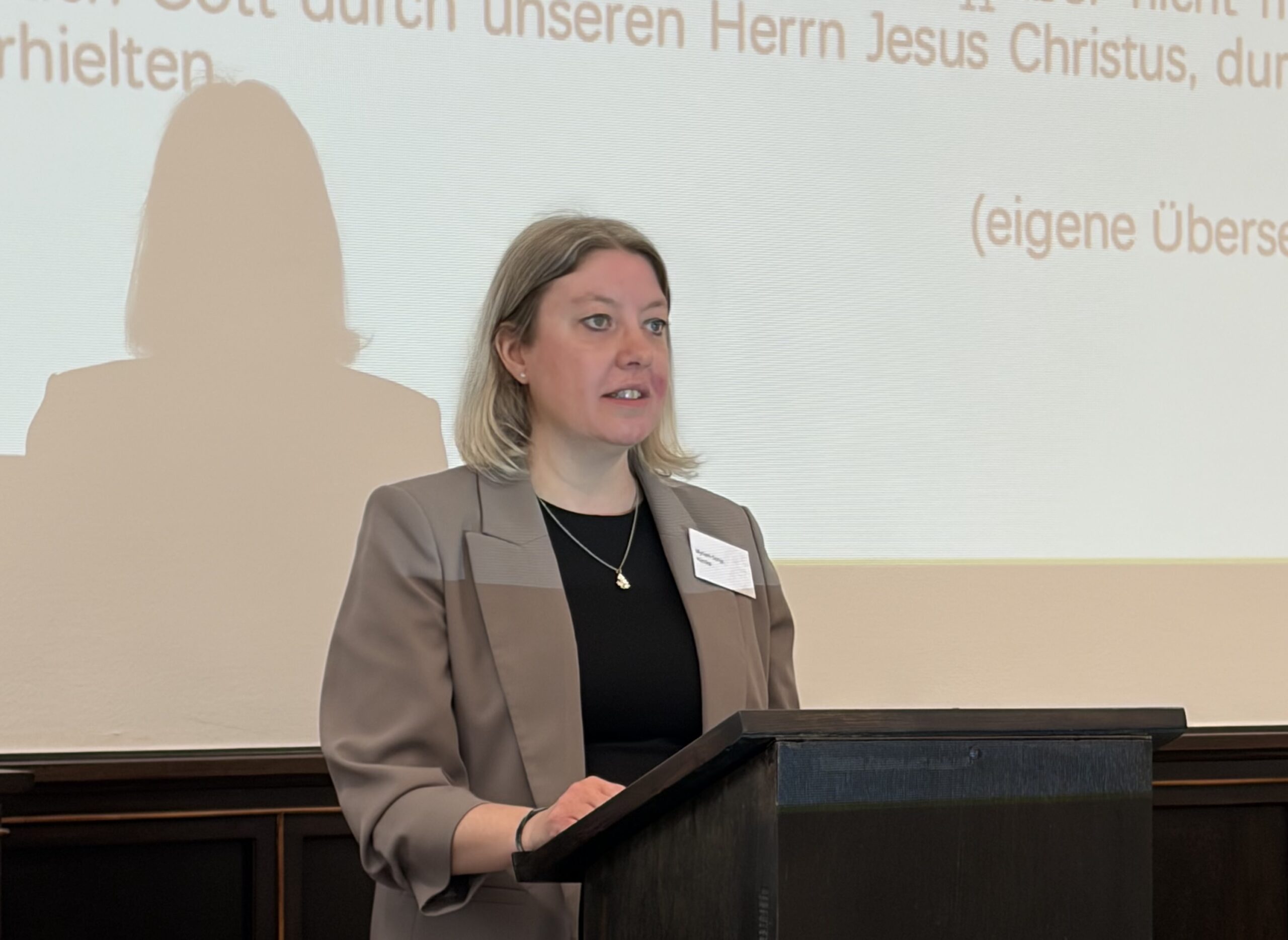
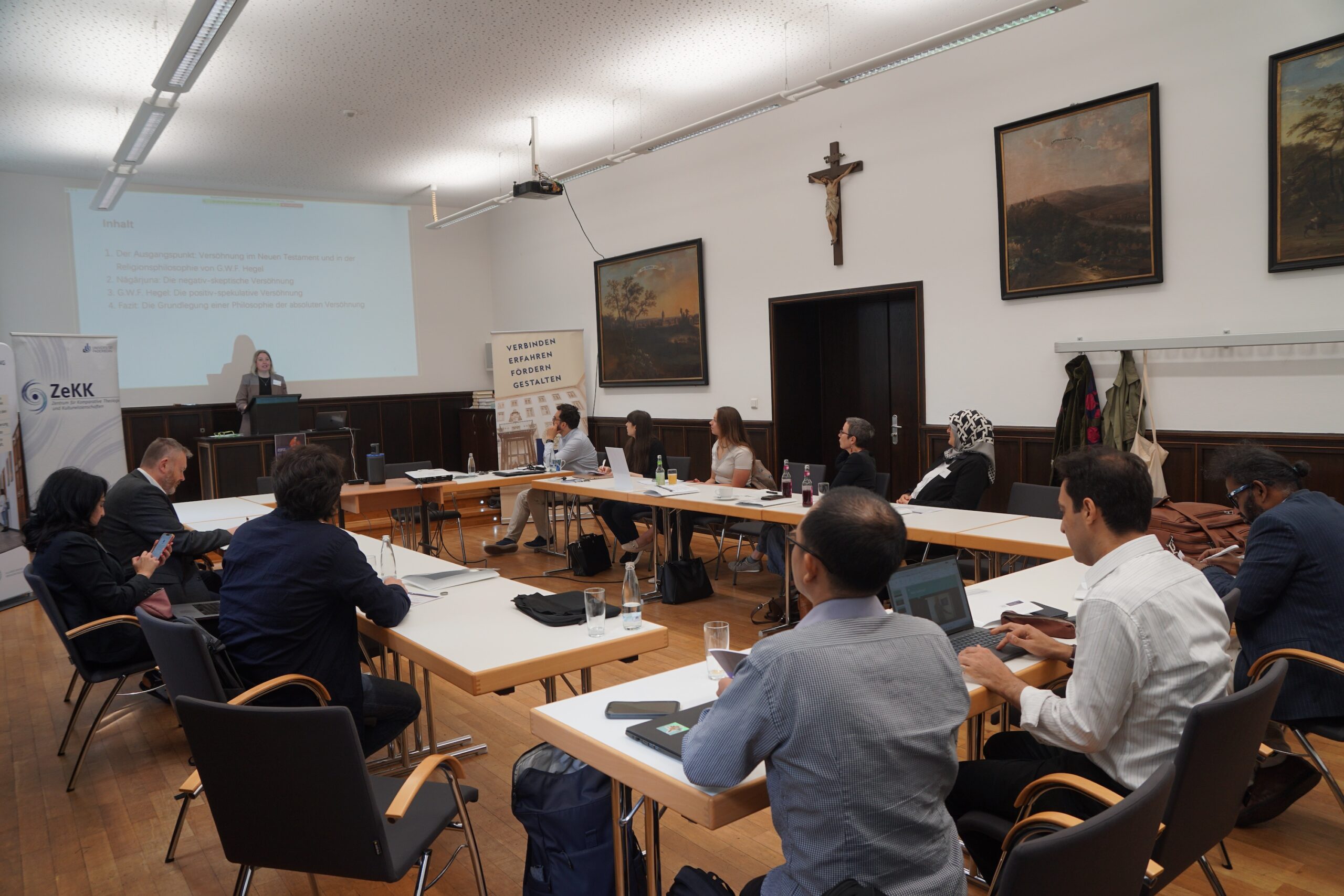
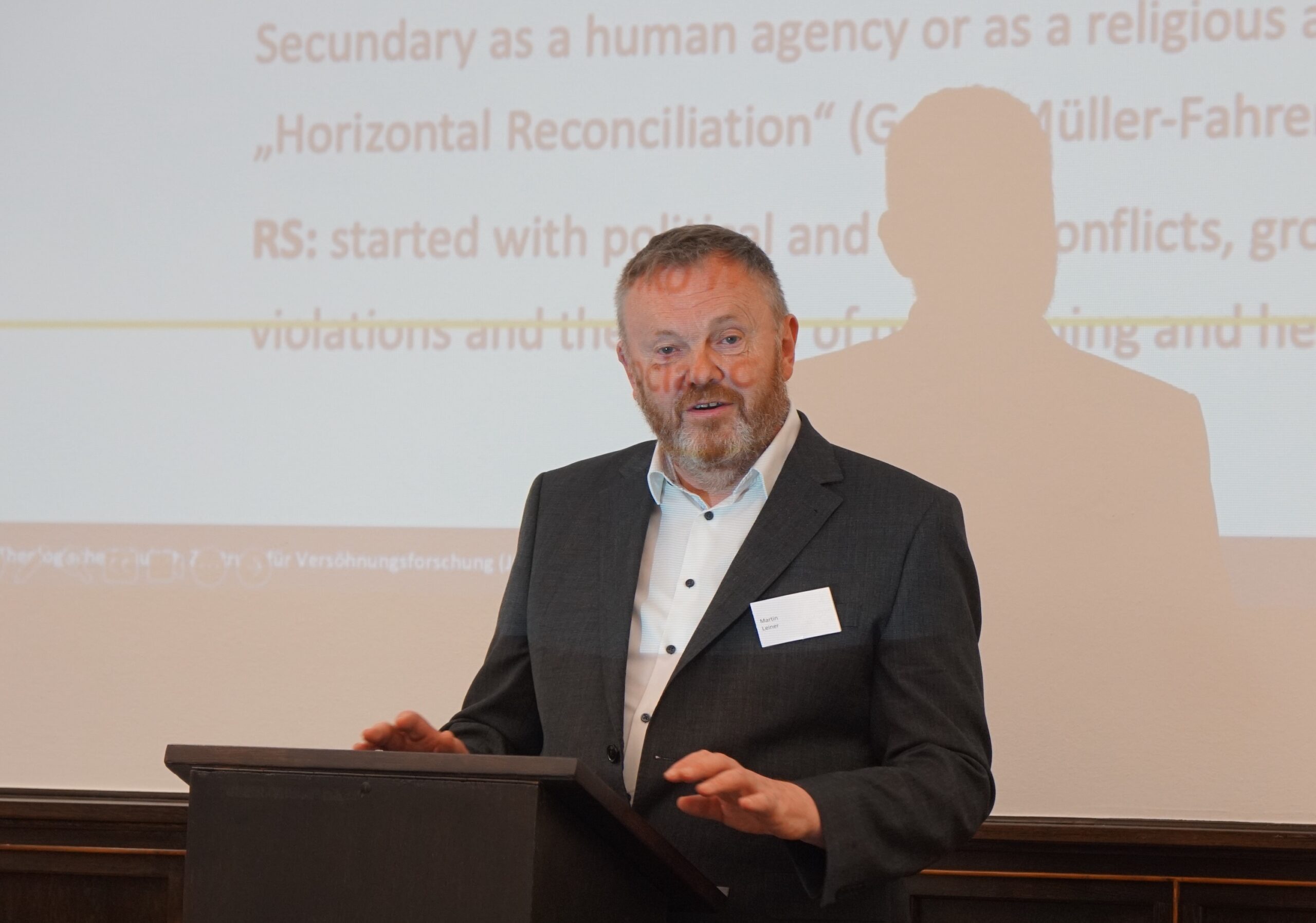
The keynote was delivered by Prof. Martin Leiner, founder of the Jena Center for Reconciliation Studies and the International Association for Reconciliation Studies, who offered an introduction to the field of Reconciliation Studies and outlined key definitions of reconciliation, and laid out ist various dimensions that must be taken into account when engaging with reconciliation processes.
Dr. Myriam-Sonja Hantke examined the philosophy of reconciliation in the work of Nāgārjuna and G.W.F. Hegel from a logical-philosophical perspective, exploring the possibility of reconciling them with one another — with particular attention to the relationship between being and nothingness.
Drawing on a close reading of reports from al-Ṣadūq’s al-Amālī, the Nahj al-Balāgha, and al-Bayhaqī’s al-Sunan al-kubrā, Seyed Hossein Morakabi argued in his presentation that these texts make a distinctly Islamic contribution to a theology of reconciliation, articulating a mode of reconciliation in which ritual, truth, and eschatology are all reordered around the possibility that the other — even in conflict — remains a partner within a horizon ultimately claimed by God.
Prof. Fatimeh Hajiakbari examined Prophet David as a paradigmatic figure of repentance and restored communion with God, offering a comparative theological exploration that bridges the Psalms—particularly Psalm 51—and Islamic traditions to illuminate how depictions of sin, repentance, and divine restoration deepen our understanding of reconciliation with God, and what potential for mutual theological enrichment arises from this dialogue between traditions.
Mate Saralishvili engaged with the interreligious project of the Peace Cathedral (the Evangelical-Baptist Church of Georgia), which—in response to a sharp rise in Islamophobic and Antisemitic incidents in Georgia after 2012 —built a Peace Synagogue and a Peace Mosque directly adjacent to its own church building, as a visible sign of peace between religions and as a concrete expression of its theology of beauty and reconciliation.
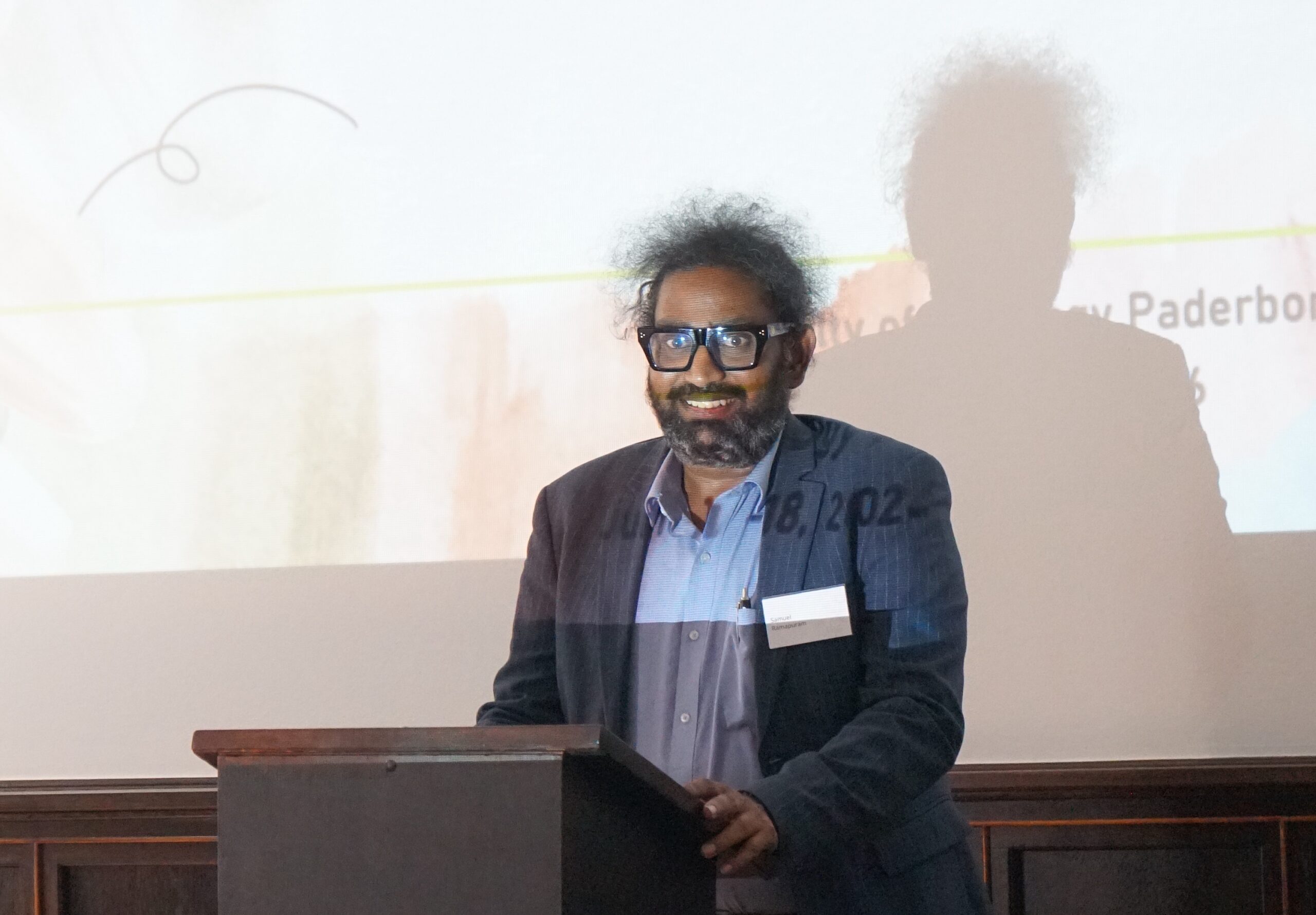
Samuel Ramapuram‚s presentation examined the shared yet contested ritual practice of sacred singing across Muslim, Christian, and Jewish communities, presenting it as a genuine theological space in which reconciliation is enacted despite unresolved histories of violence. The analysis drew on Catherine Bell’s concept of ritualization alongside Johann Baptist Metz’s notion of ‚dangerous memory‘.
Jad Mouffarej engaged with Murtaḍā Muṭahharī’s thought of spirituality, anthropology, and socio-political ethics, in which reconciliation entails both restoring humanity’s relationship with God and transforming unjust social structures. Placing this Shiʿi perspective in dialogue with Jürgen Moltmann’s political theology, the study assessed convergences and differences between the two traditions regarding moral responsibility and reconciliation as spiritual and structural renewal.
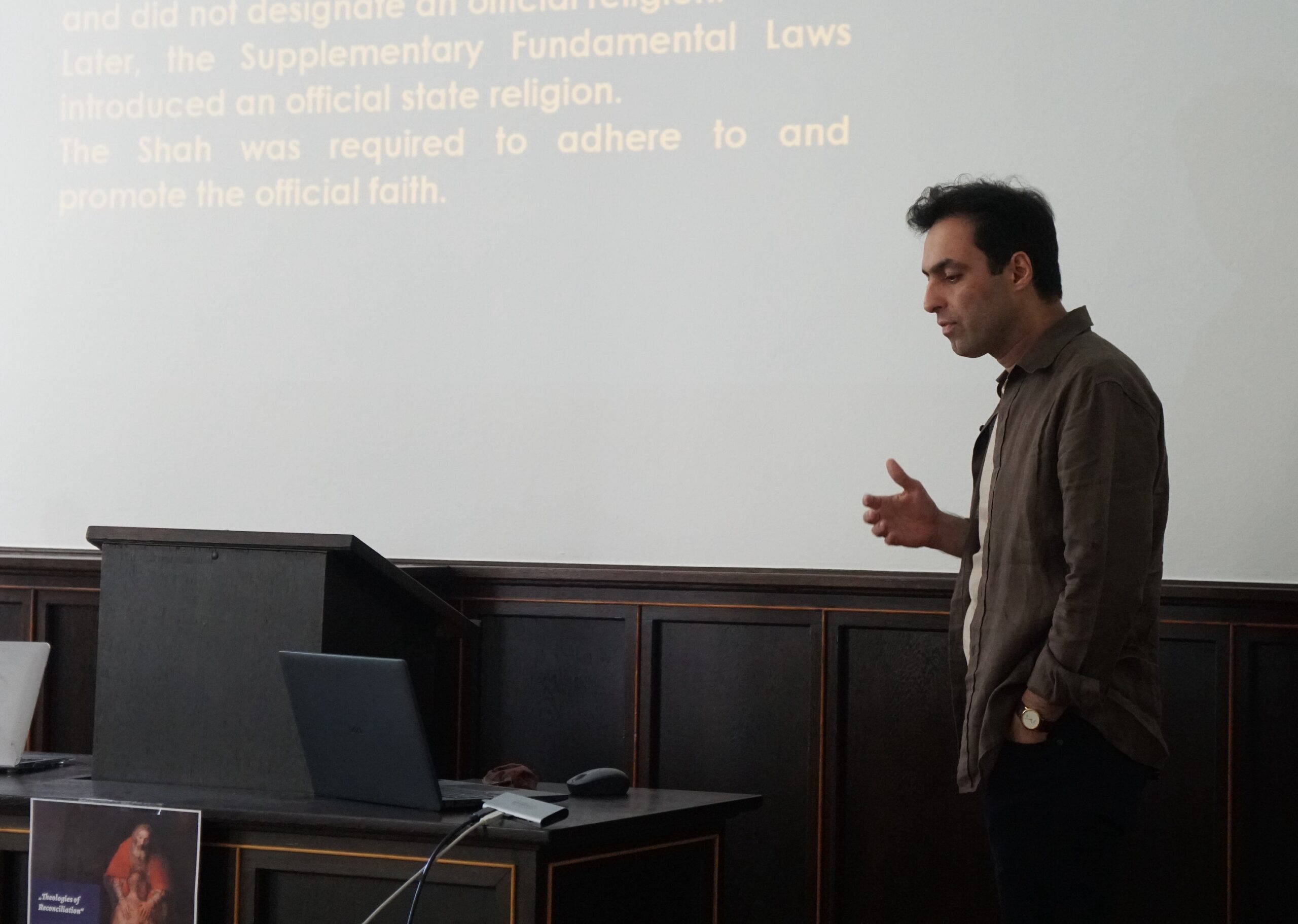
Drawing on Johan Galtung’s framework of direct, structural, and cultural violence, Dr. Vahid Sattarzahdeh Lari‚s presentation examined how the official interpretation of Shiism in post-revolutionary Iran has functioned as a form of cultural violence that legitimizes structural and direct violence, thereby obstructing religious reconciliation.
Dr. Mirian Cerveira interrogated reconciliation as both a theological and sociological category, engaging the work of Metz, and Ricoeur to demonstrate how the interplay of memory, justice, and relational restoration carries reconciliation beyond abstract forgiveness toward a substantive practice of peacebuilding.
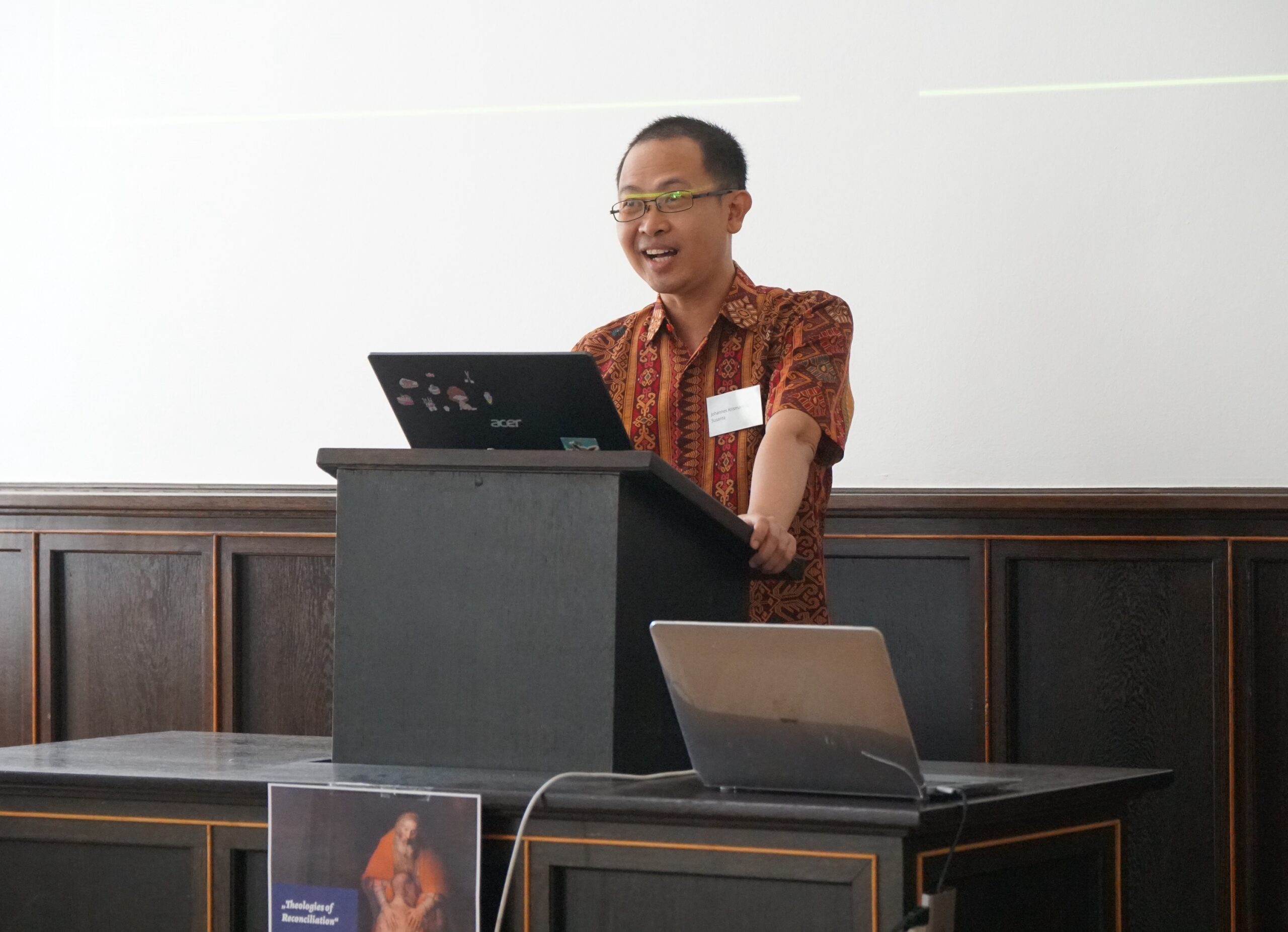
Yohanes Krismantyo Susanta‚s presentation examined the Ambonese tradition of patita, a communal meal shared across religious communities in Maluku, Indonesia in the aftermath of the 1999–2002 Muslim–Christian violence, interpreting it as a form of commensal reconciliation in which shared eating enables former adversaries to renegotiate social proximity and rebuild trust. Drawing on ritual studies, anthropological discussions of commensality, and theological reflection on the Eucharistic table, it argued that patita constitutes a vernacular form of Eucharistic reconciliation, demonstrating how communal food rituals function as practices of ritual memory and social healing in post-conflict societies.
Starting from the question of how the Coptic Orthodox understanding of reconciliation offers a distinctive theological framework for interpreting care and moral responsibility, Kerollos Lamey Shehata examined care as a relational reality that challenges individualistic ethical frameworks through a notion of moral agency rooted in divine love and communal responsibility, capable of fostering reconciliation across religious boundaries.
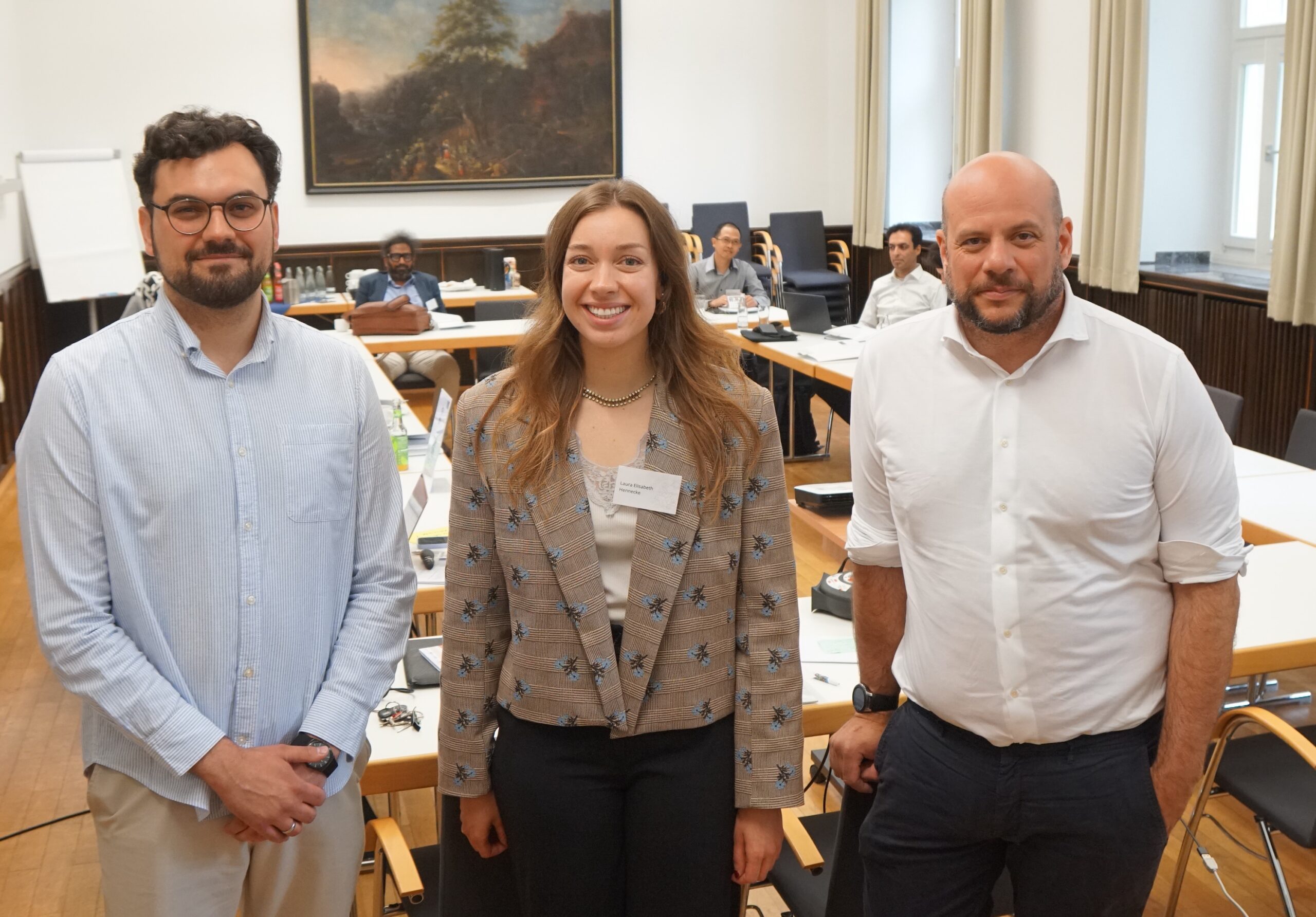
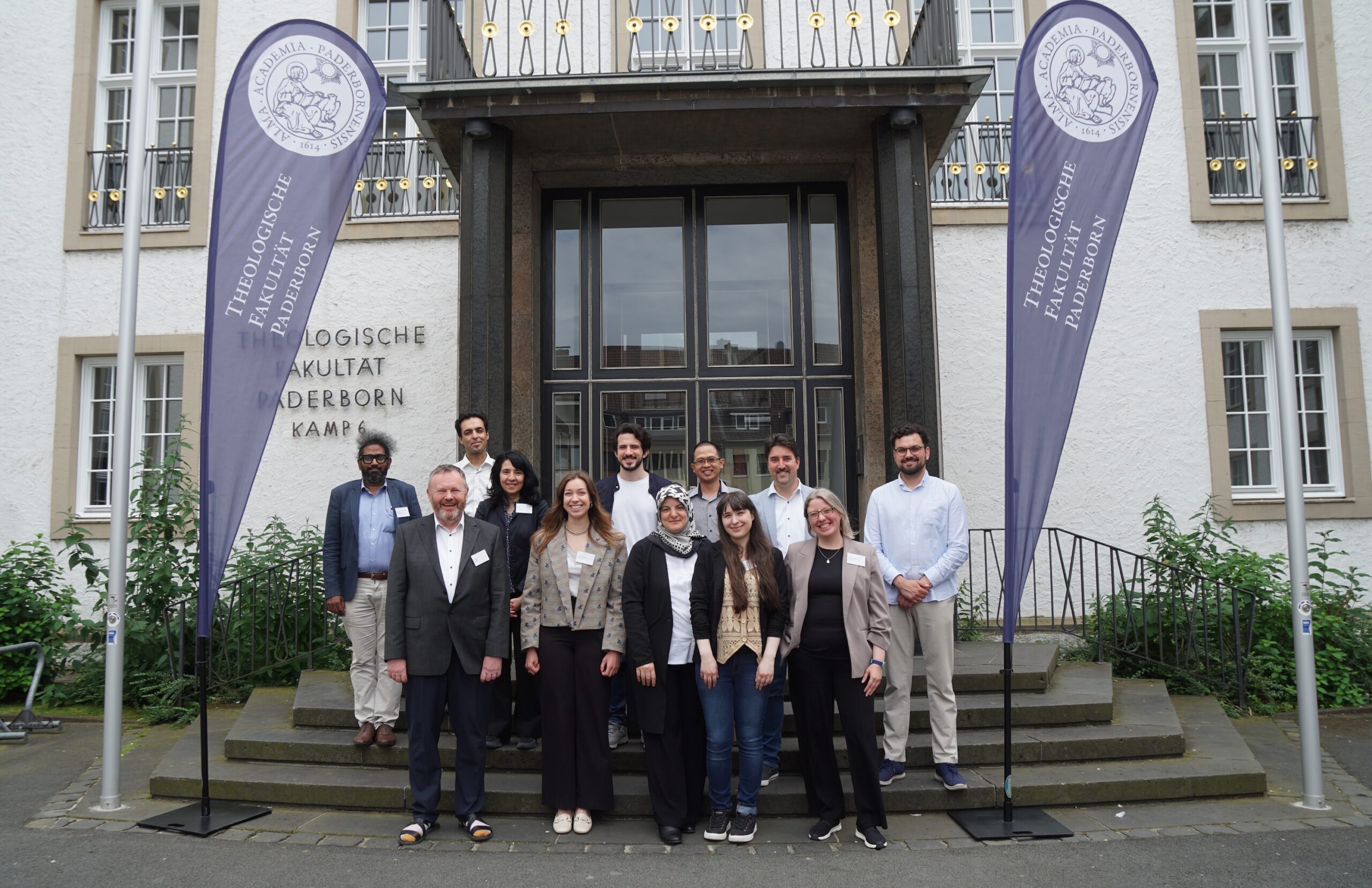
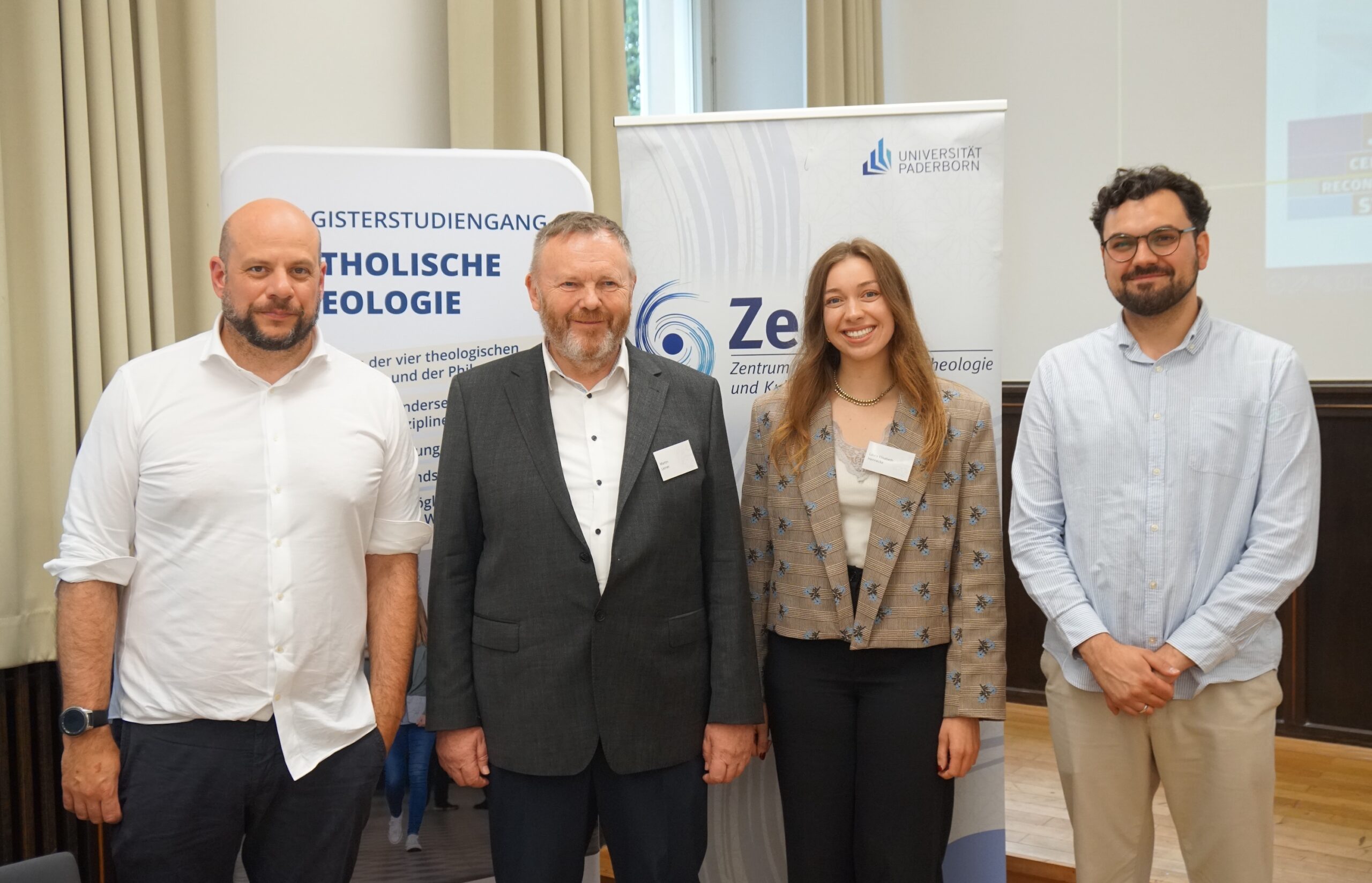
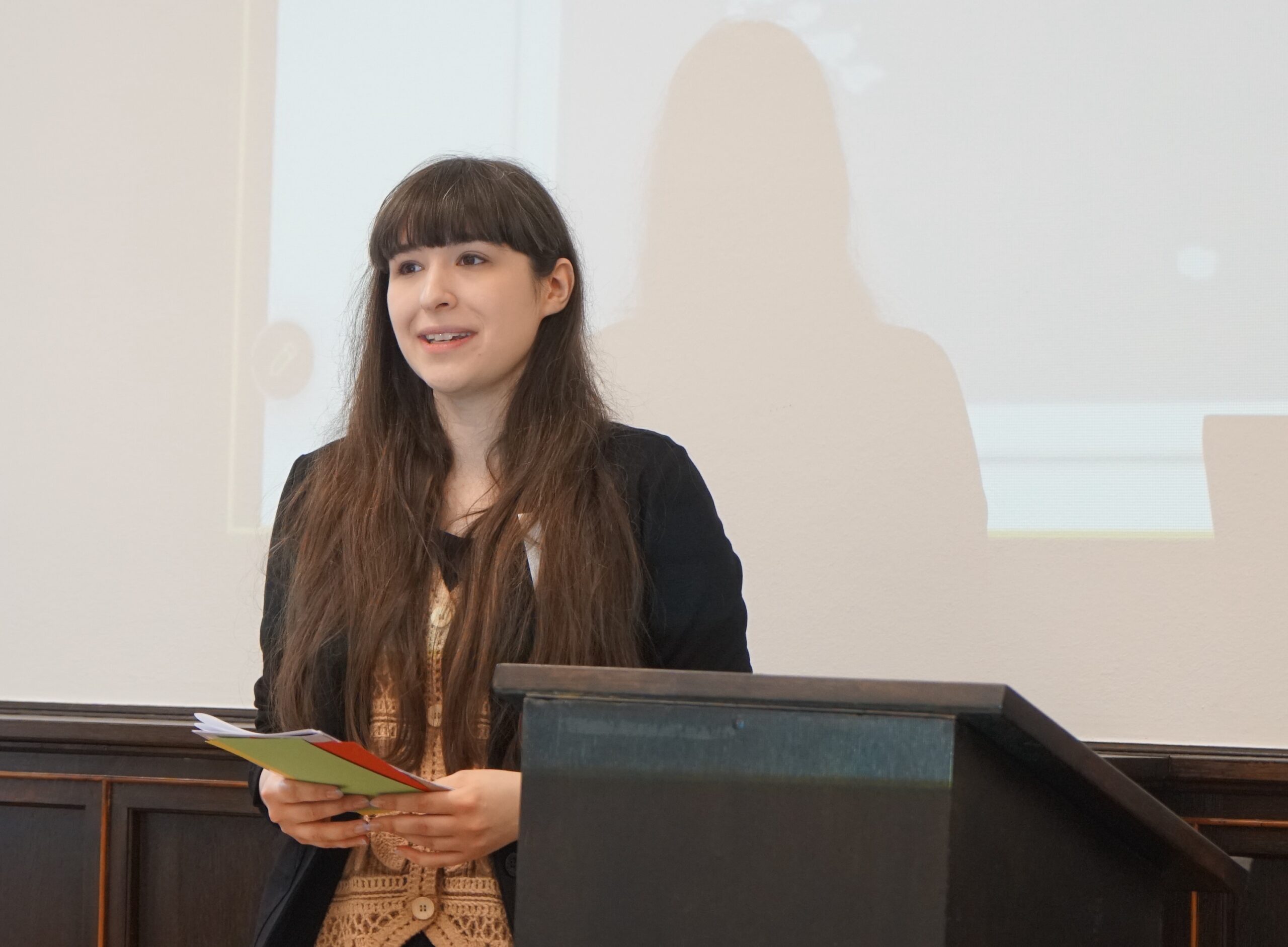
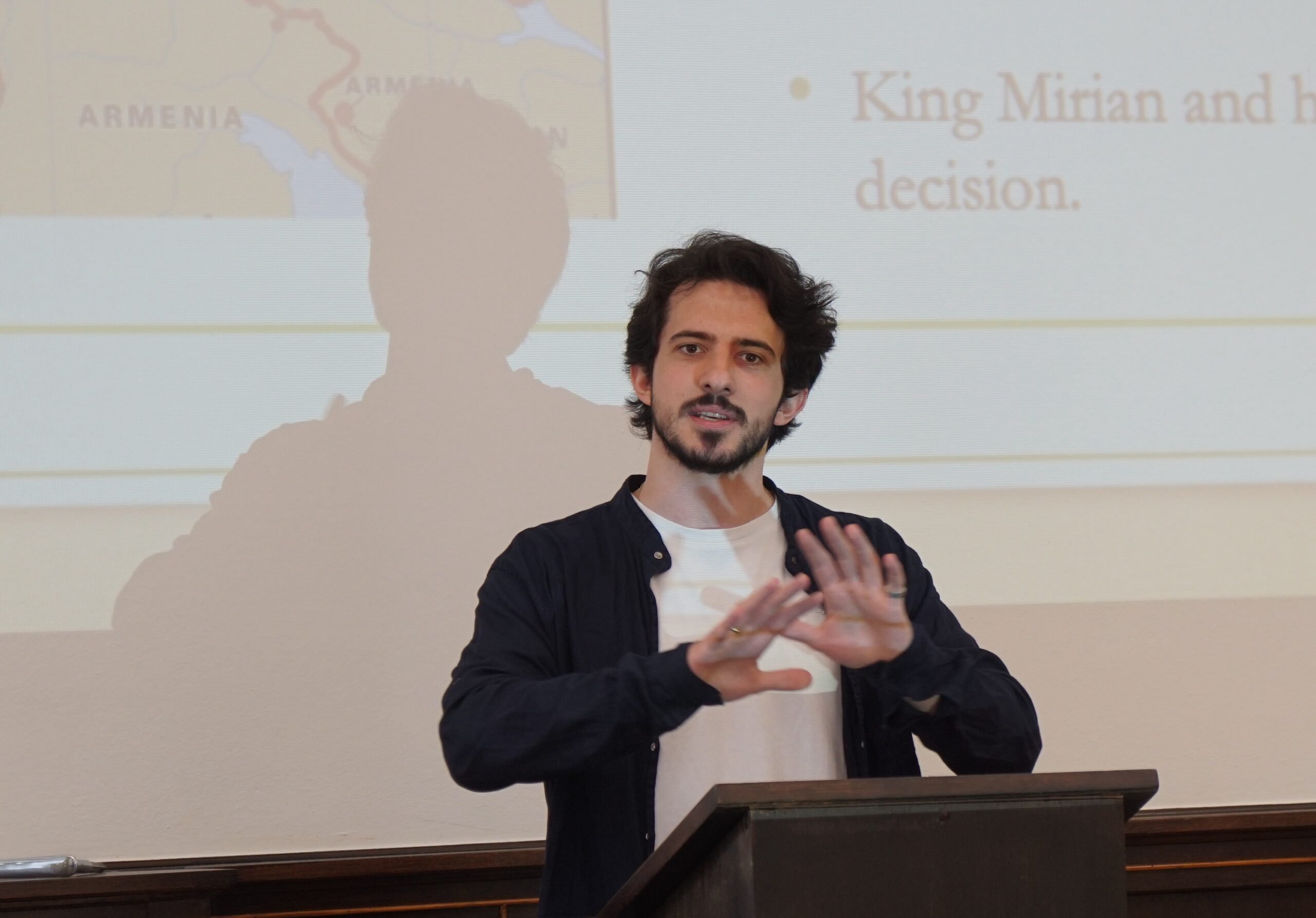
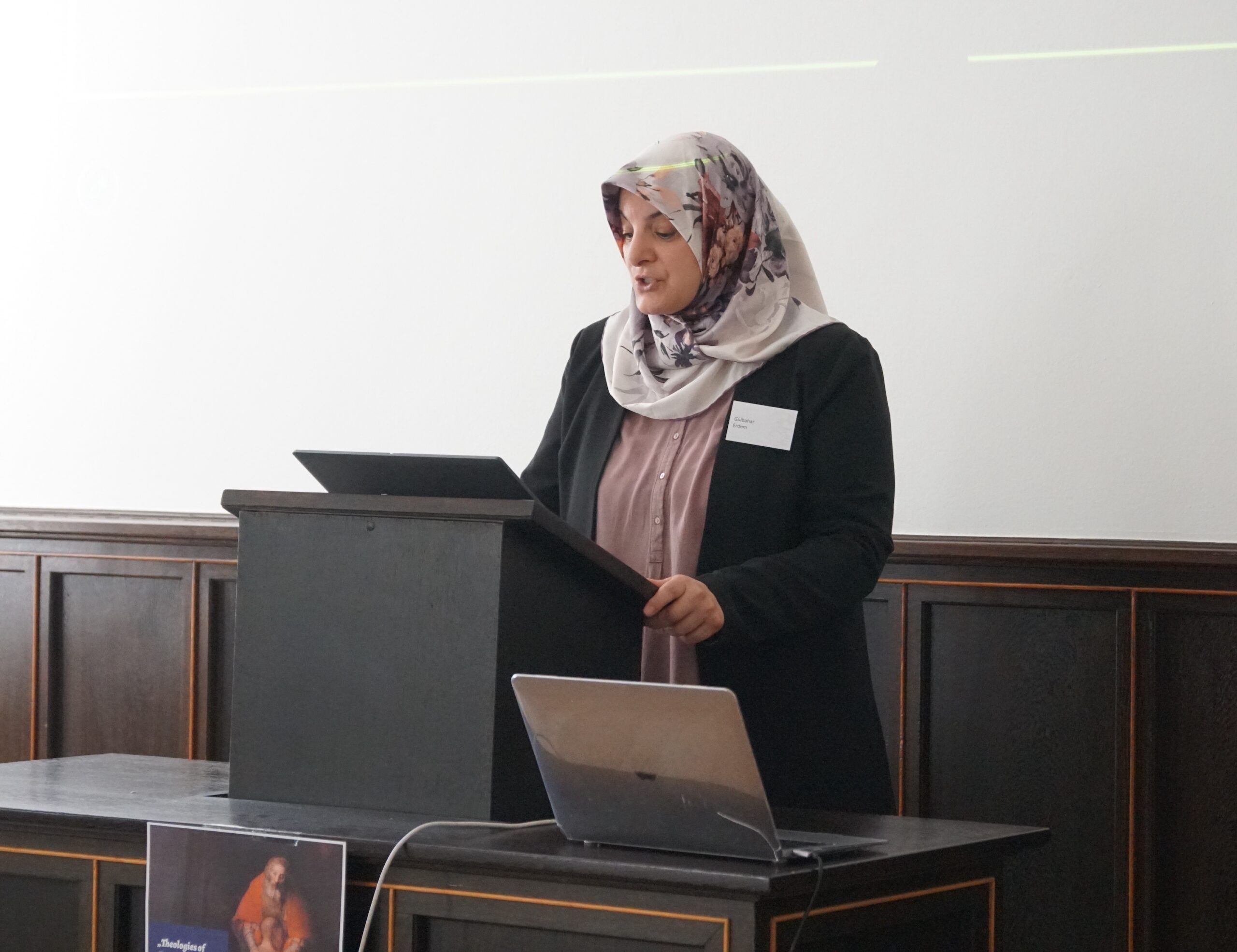
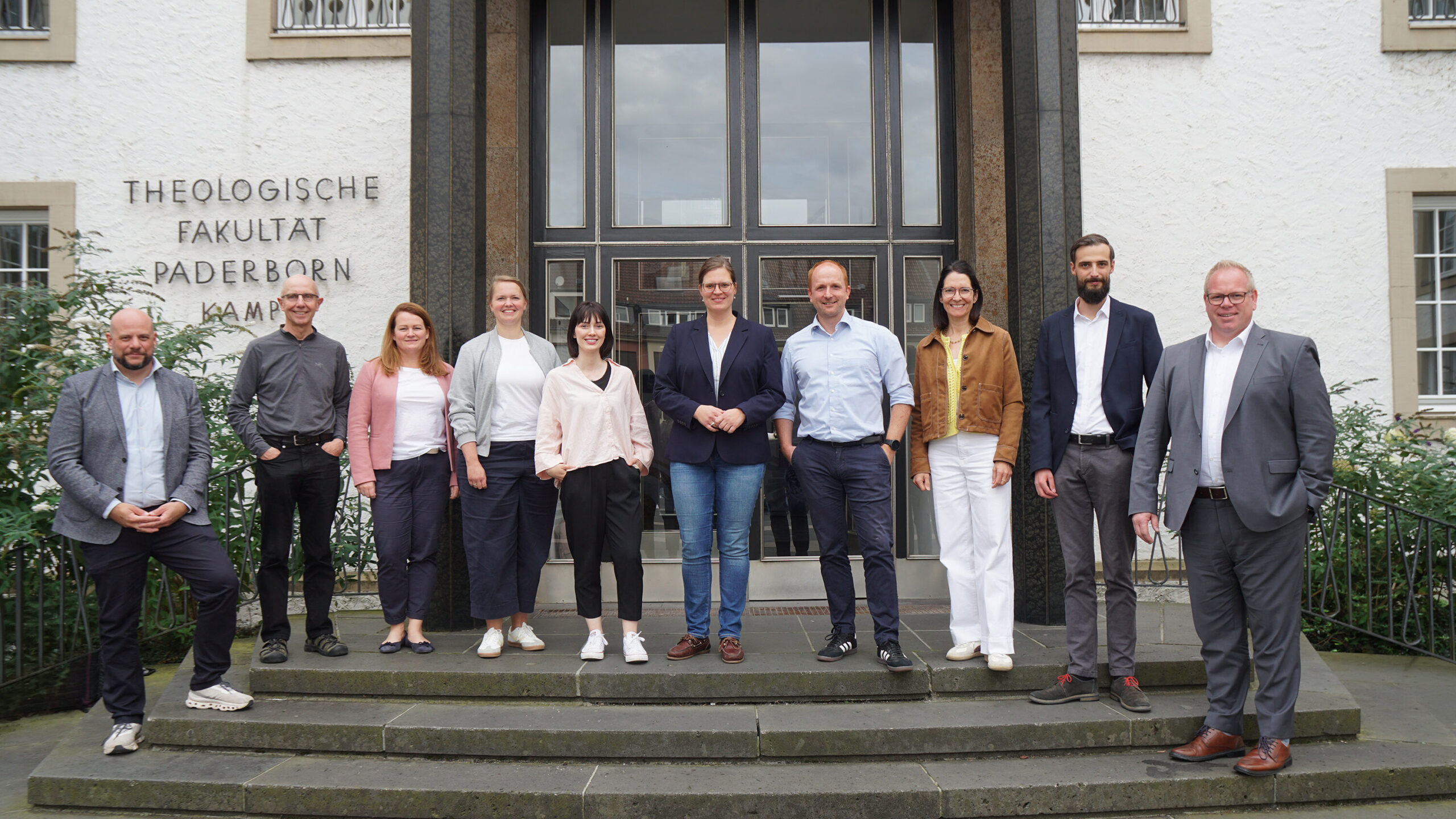
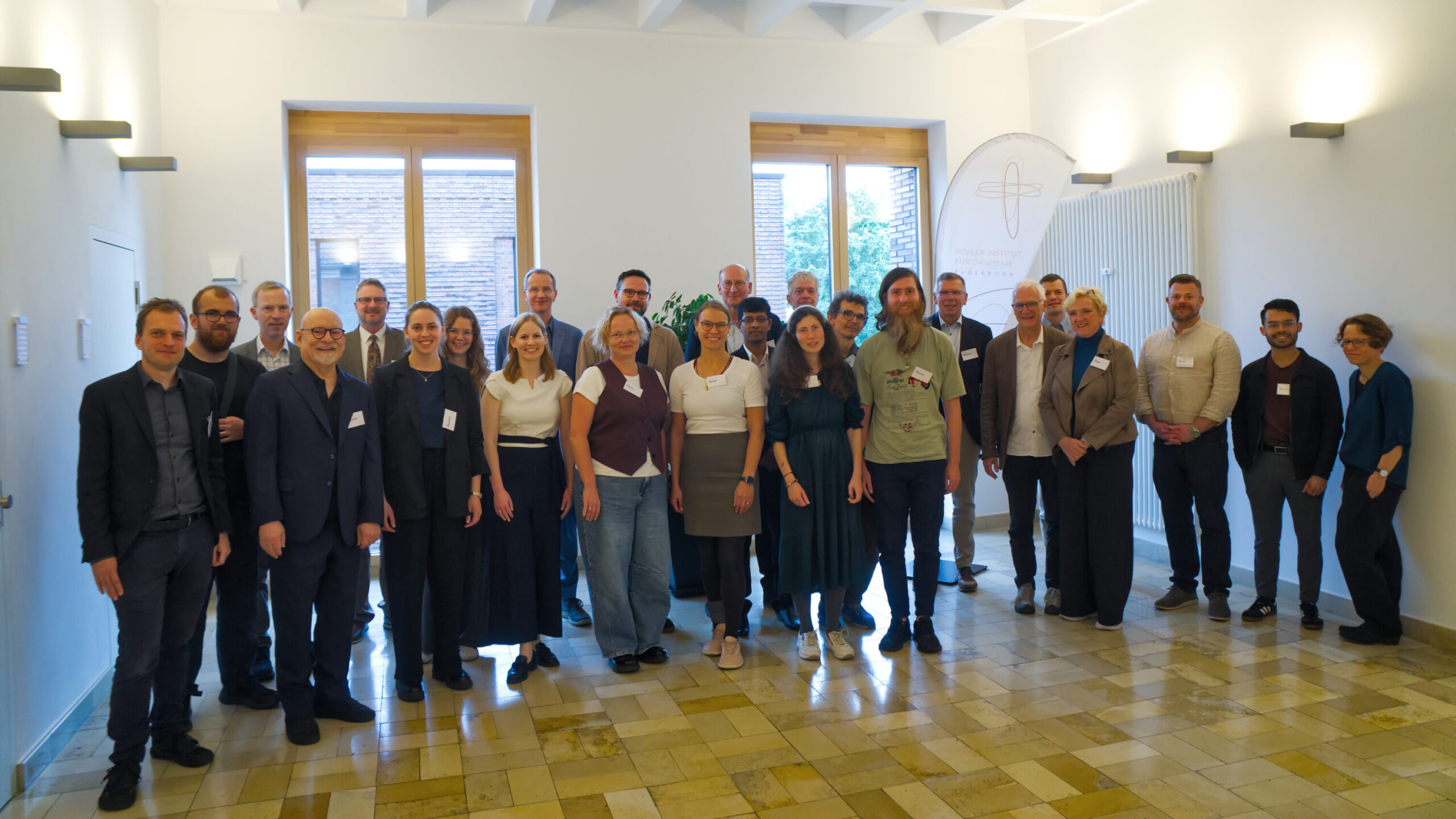
The following photo gallery shows the speakers who gave in-person presentations. The other presentations took place digitally.
Text: Laura E. Hennecke (Mag. theol.), ThF-PB.